

Introduction
Impurity control is a defining quality dimension in pharmaceutical chemistry. Regulators require that drug substances meet strict purity and impurity specifications, and these requirements flow directly down the supply chain to pharmaceutical intermediates. For buyers and formulators, understanding impurity profiles is essential for qualifying suppliers and protecting downstream processes.
1. Why Impurity Control Matters
Impurities can affect drug safety, stability and efficacy. Isomeric impurities may reduce potency or introduce toxicity; residual solvents and metal residues can violate ICH guidelines. Controlling impurities at the intermediate stage is more economical than correcting them at the API stage, making intermediate quality a strategic decision.
1.1 Common Impurity Types
- Starting material residues and by-products
- Isomeric impurities and degradation products
- Residual solvents and water
- Elemental impurities (catalyst metals)
2. Analytical Methods
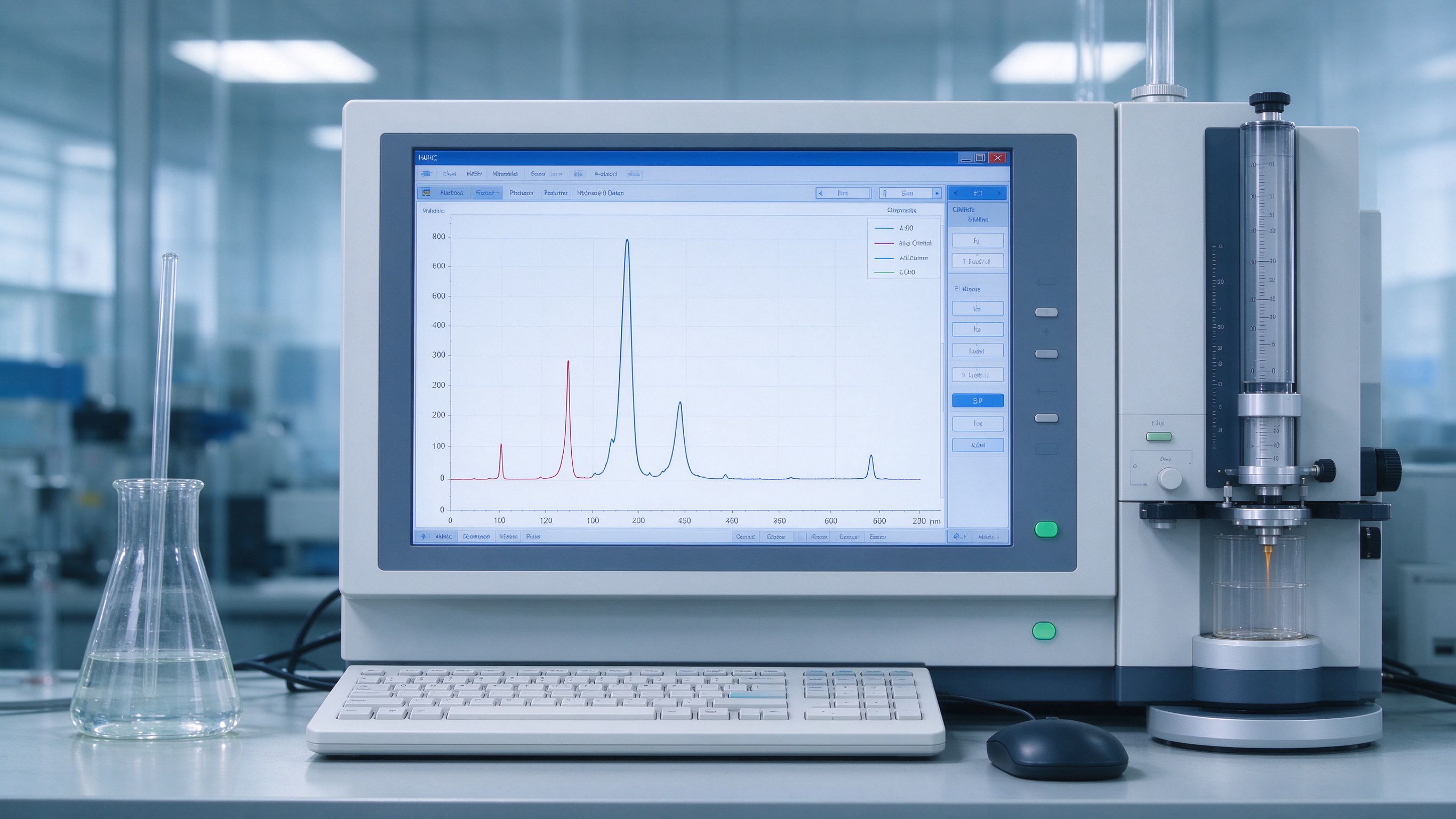
HPLC with UV detection is the primary tool for purity assessment, complemented by GC, NMR, LCMS and elemental analysis. A professional supplier provides chromatographic data with each batch, allowing buyers to verify purity claims and assess impurity patterns. Compounds such as 1,3-di-tert-butylbenzene (CAS 1014-60-4) illustrate the value of consistent batch documentation for sterically hindered aromatic intermediates used in pharmaceutical synthesis.
3. Qualifying Suppliers on Quality
- Request COA with full analytical method details
- Review chromatograms and structural data
- Verify batch-to-batch consistency over multiple lots
- Confirm retest period and storage conditions
Conclusion
Rigorous impurity control reduces risk throughout the pharmaceutical value chain. Zhengzhou Whchem provides high-purity pharmaceutical intermediates with complete batch documentation, helping customers meet their quality and regulatory objectives.