




Introduction
When most people hear "OLED," they think of smartphone and television screens. But OLED materials are finding growing applications beyond displays — in solid-state lighting, sensors, signage and emerging photonic devices. These applications share the same foundation: high-purity optoelectronic intermediates that enable efficient, stable organic semiconductors.
1. OLED Lighting: The Next Frontier
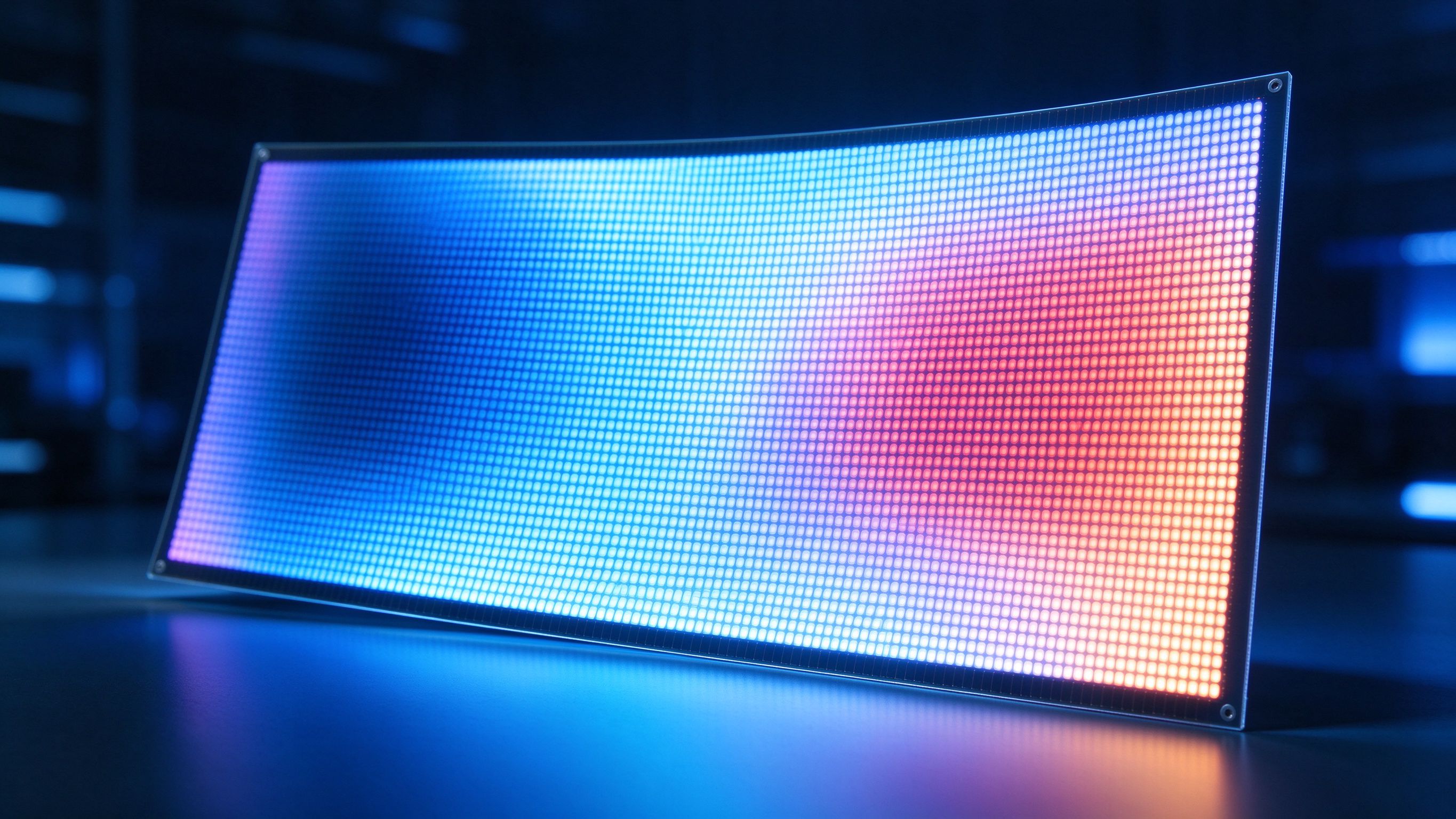
OLED lighting panels offer diffuse, flicker-free illumination with exceptional color quality and ultra-thin form factors. Automotive interiors, architectural lighting and premium consumer products are early adopters. Like displays, OLED lighting depends on emissive and transport materials built from refined intermediates.
2. Sensors and Emerging Photonics
Organic semiconductors are being explored for photodetectors, biochemical sensors and near-infrared applications. The same synthetic platform — halogenated heterocycles and conjugated building blocks such as 2-iododibenzothiophene (CAS 177586-41-3) — supports these advanced materials through cross-coupling chemistry.
3. Implications for Material Suppliers
As applications diversify, buyers require: broader intermediate portfolios, tighter purity specifications for sensitive devices, reliable scale-up, and technical support for material development. Suppliers who combine catalog availability with custom synthesis are best positioned to serve this evolving market.
Conclusion
The OLED materials opportunity extends well beyond displays. Zhengzhou Whchem supplies high-purity OLED and optoelectronic intermediates, supporting both display manufacturers and pioneers of emerging organic electronic applications.