




Introduction
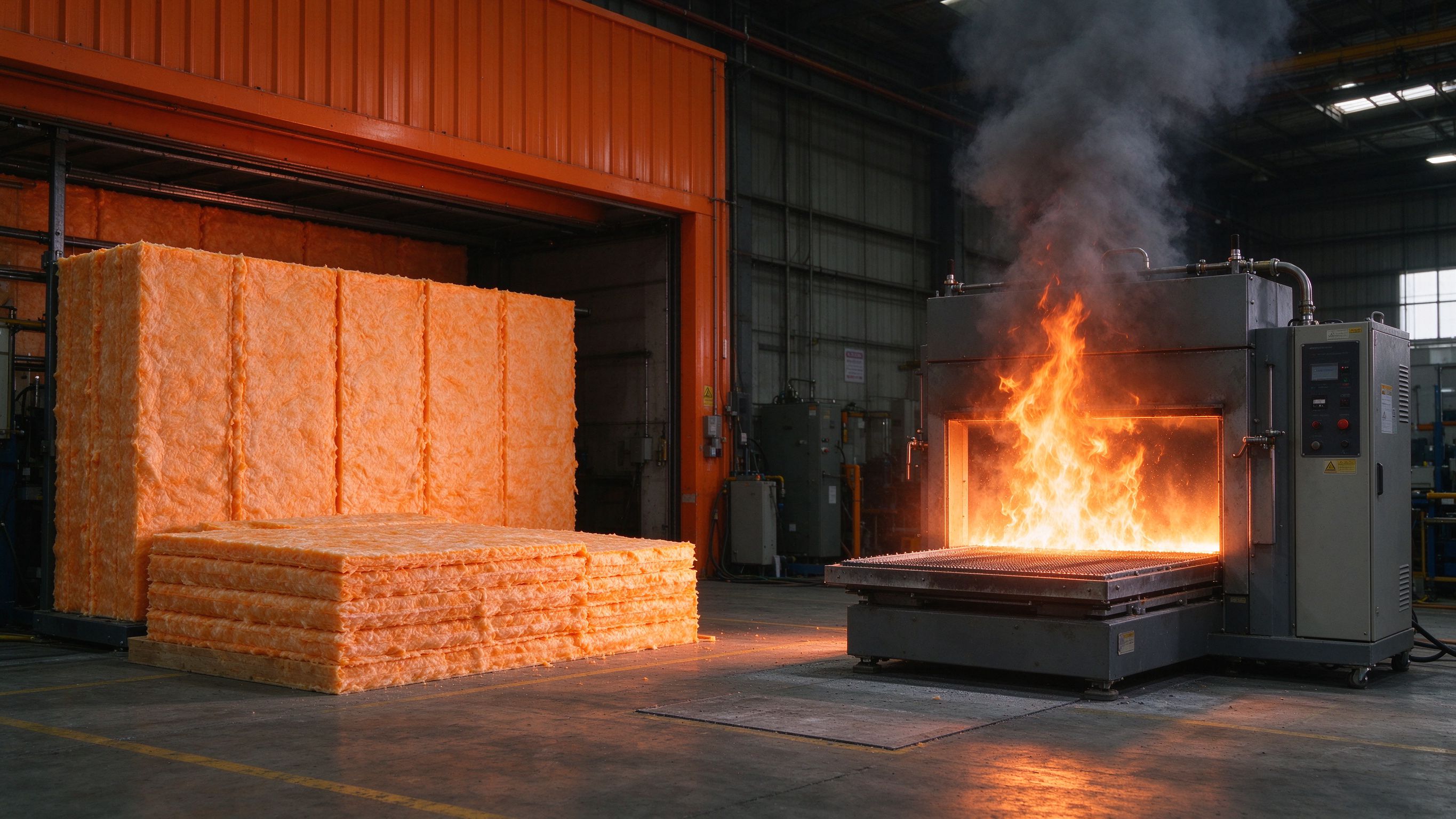
Fire safety regulations and the phase-out of certain halogenated flame retardants have accelerated demand for organophosphorus compounds in flame-retardant formulations. Used in electronics, construction, textiles and transportation, organophosphorus flame retardants combine fire performance with design flexibility, making phosphorus chemistry strategically important.
1. How Organophosphorus Flame Retardants Work
Phosphorus-based flame retardants act primarily in the condensed phase, promoting char formation and reducing heat release. Some also act in the gas phase as radical scavengers. This dual mechanism delivers effective flame inhibition with lower smoke toxicity compared with legacy halogenated systems.
2. Key Application Segments
- Electronics — printed circuit boards, connectors and enclosures
- Construction — insulation foams and building materials
- Transportation — automotive and aerospace interiors
- Textiles — protective clothing and upholstery
3. Sourcing Phosphorus Chemicals
Flame-retardant producers require consistent-quality phosphorus intermediates and reagents. Organophosphorus compounds such as phosphine derivatives, phosphonate esters and phosphate precursors must meet tight specifications for color, acidity and purity. 2-(Ethoxycarbonyl)ethyltriphenylphosphonium bromide (CAS 42843-94-7) represents the class of functionalized phosphorus materials supporting advanced chemical synthesis.
Conclusion
Regulatory momentum and performance requirements continue to expand the organophosphorus flame retardant market. Zhengzhou Whchem supplies high-purity organophosphorus compounds and phosphine-based materials for flame retardants and advanced chemical manufacturing.